Forest Health & Fire Safety
A healthier forest starts with an honest look.
Root rot, fire risk, storm damage, and declining trees—we help you sort out what your stand needs.
Forests face a lot: disease, insects, wildfire, wind, ice, and heavy snow. New Oregon Forestry helps Oregon landowners identify what is threatening their stand and plan practical steps to protect the trees, the access, and the value of the property.
What we help with
Four threats we watch for in your stand
Here are the four problems we most often help Oregon landowners sort out. Click one to read more, or scroll through each below.
Forest health concern 01
Root rot & diseased trees
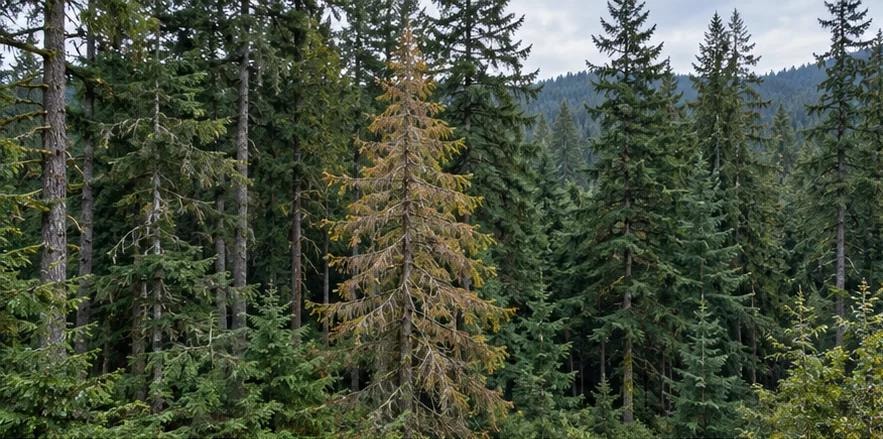
Root diseases and other infections often spread quietly below the surface and can take a stand down tree by tree. We help identify areas of concern, discuss options for removing badly affected trees, and plan management steps that reduce the chance of the problem spreading.
Forest health concern 02
Wildfire risk reduction
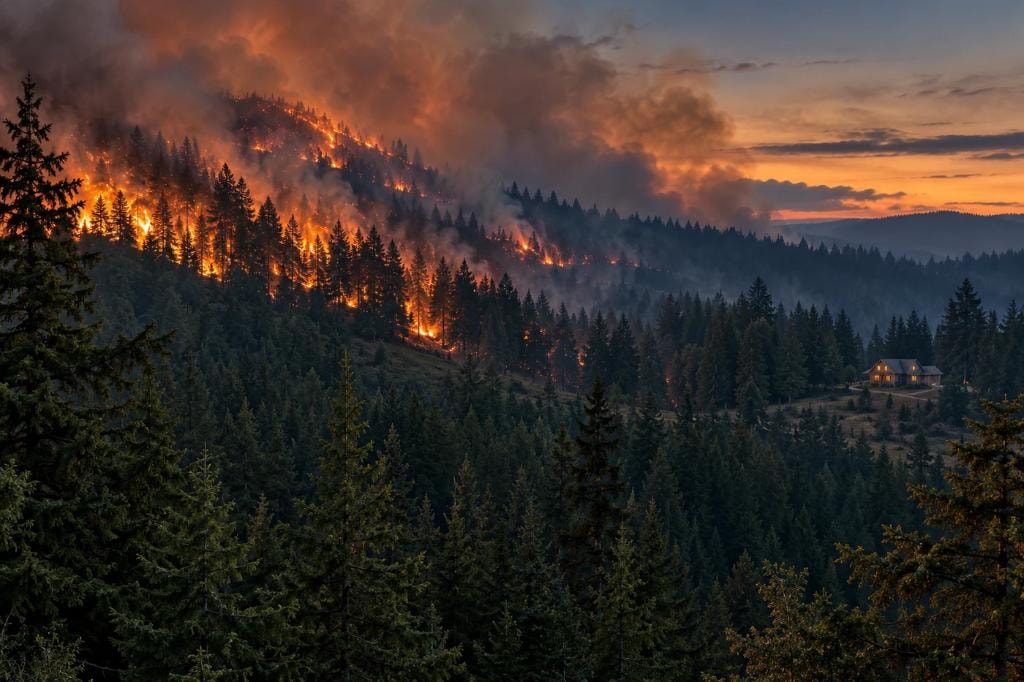
Excess fuels—dense understory, ladder fuels, and downed material—make a forest harder to protect. Thinning, clearing, and cleanup can reduce fuel loads and create defensible space around homes, driveways, and access routes.
Forest health concern 03
Storm damage & blowdown
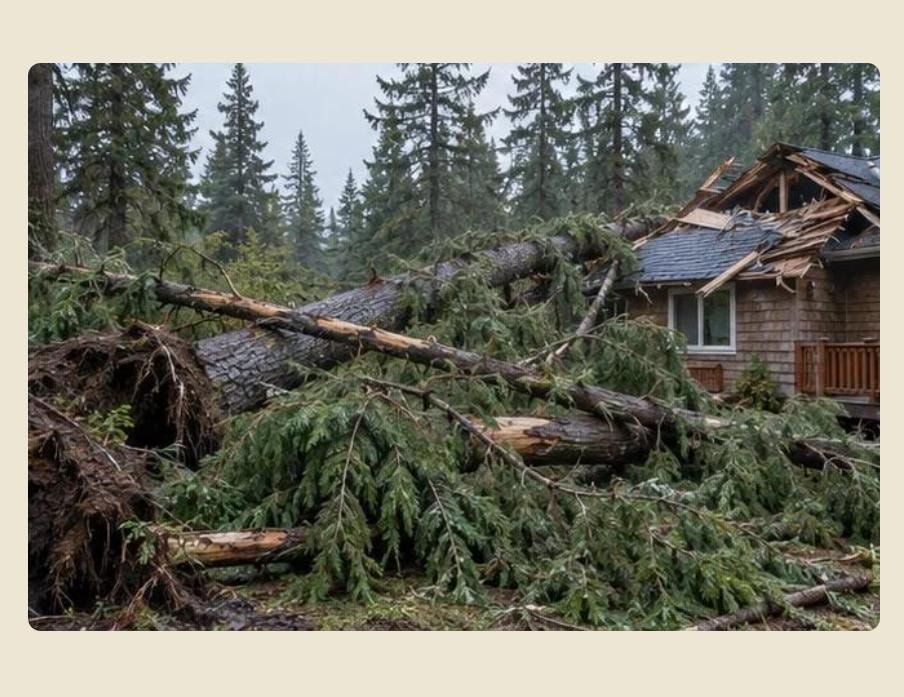
Wind, ice, and heavy snow can leave tangled blowdown, hung-up trees, and blocked roads. We clear storm-damaged areas safely and can help you decide what to salvage and what to leave.
Forest health concern 04
Damaged & unhealthy trees
Trees stressed by drought, insects, disease, or past damage often decline slowly. Removing hazardous or dying trees protects the rest of the stand, your access routes, and anything downslope or downwind.

Concerned about your stand?
Tell us what you are seeing on your property—declining trees, fuels building up, or storm damage—and we will take a look and talk through your options.